Business Name: BeeHive Homes of St George Snow Canyon
Address: 1542 W 1170 N, St. George, UT 84770
Phone: (435) 525-2183
BeeHive Homes of St George Snow Canyon
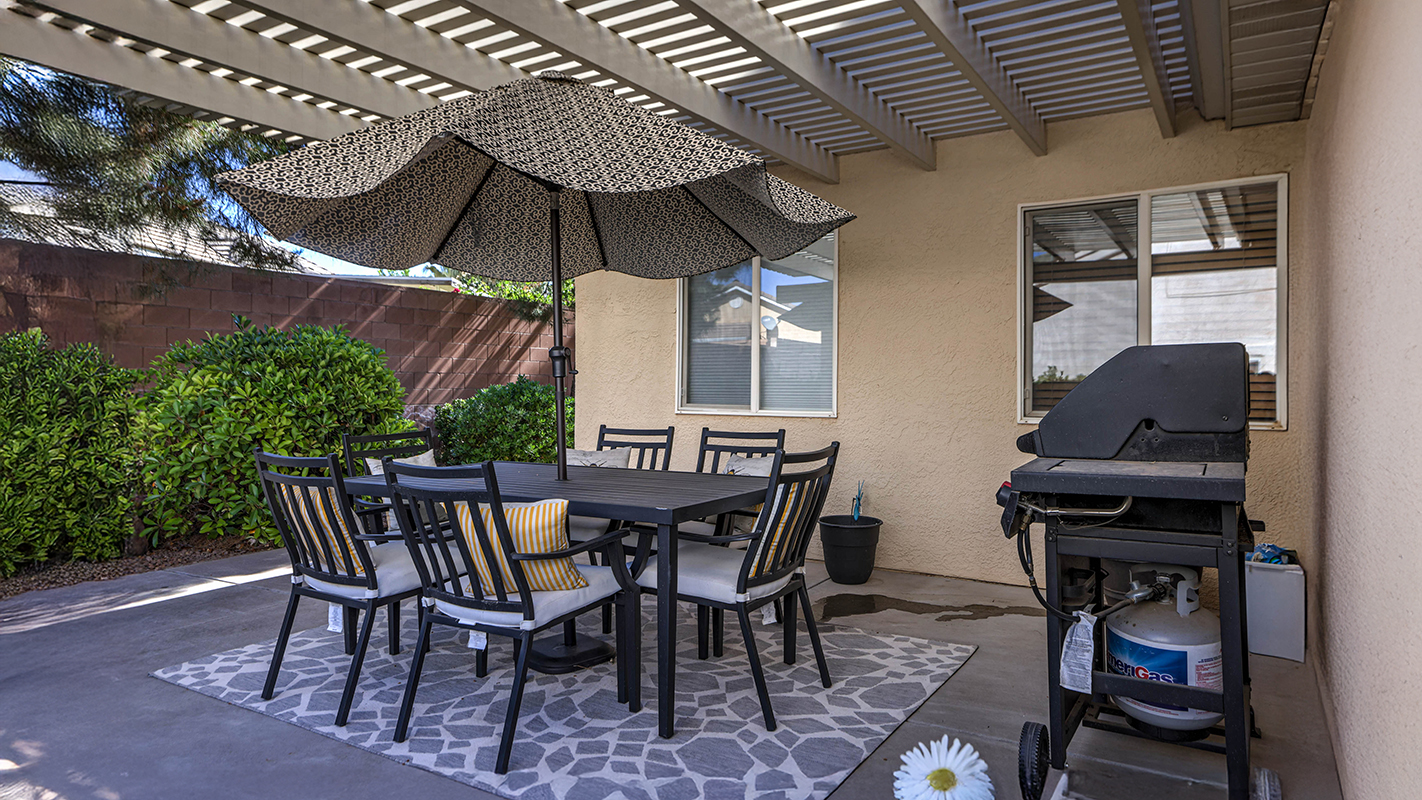
Located across the street from our Memory Care home, this level one facility is licensed for 13 residents. The more active residents enjoy the fact that the home is located near one of the popular community walking trails and is just a half block from a community park. The charming and cozy decor provide a homelike environment and there is usually something good cooking in the kitchen.
1542 W 1170 N, St. George, UT 84770
Business Hours
Monday thru Saturday: 9:00am to 5:00pm
Facebook: https://www.facebook.com/Beehivehomessnowcanyon/
Families hardly ever plan for assisted living in one neat action. They show up there after many small decisions, some immediate, some unwilling, frequently starting with a time-out called respite care. I have viewed those trial remains develop into confident long-lasting relocations more times than I can count. Not because anybody gets pressured, however due to the fact that the experience offers people genuine information about fit, security, and lifestyle. When it works, the shift feels less like surrender and more like the best next chapter.
This is an account of how and why that shift occurs, where it can fail, and what households can do to make the most of a momentary stay. It includes information drawn from years of strolling the halls of senior living neighborhoods, sitting at kitchen tables with households, and learning from residents who are generous with their stories.
Why respite care changes the conversation
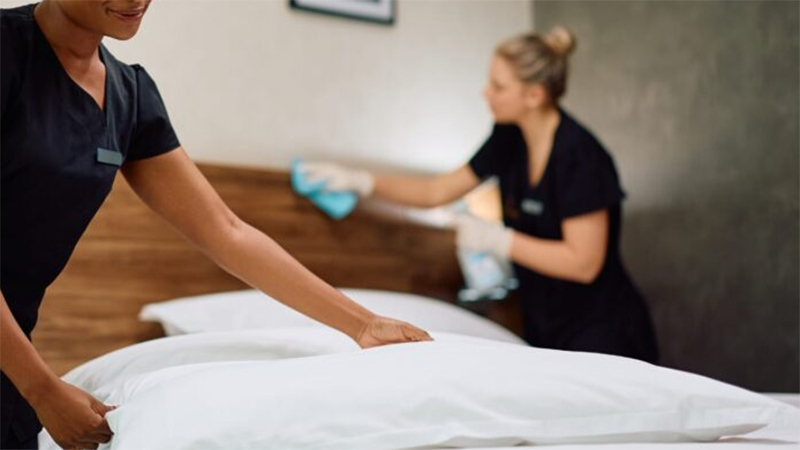
Respite care is short-term assistance provided in a senior living setting. An individual might stay a week after a hospital discharge, two weeks while a partner recovers from surgery, or a month while the household trials a new routine. Some communities offer provided apartments for these stays. Provider typically mirror what long-lasting residents receive: meals, housekeeping, medication hints or administration, aid with bathing and dressing, plus access to activities and transportation.
The shift occurs memory care due to the fact that respite care turns hypotheticals into lived experience. A household no longer needs to think of whether Mom will take to group exercise or accept assist with showers. They see precisely how she reacts to the 7 a.m. breakfast call, who she sits with at lunch, and whether staff follow the care strategy. Uncertainty is exhausting. After a week in respite care, the unknowns get replaced with specifics, which lowers stress and makes choices both clearer and kinder.
I remember one gentleman who was available in hesitant, suitcase loaded with adequate sweaters to reveal his uncertainty in layers. He planned to stay 10 days while his daughter took a trip. By day 3 he had actually declared the chair by the fish tank as "his newsroom," chatted with the concierge about baseball box scores, and asked if his shaving cream might be kept on the best side of the medication cabinet. Ownership is an inform. It appears in little ways long before anybody states the words "I think I might live here."
The practical bridge: what short-term stays expose about long-lasting fit
Families ask variations of the same question: Will this work if we stay? Respite care yields responses in 4 useful domains.
The first is care dependability. If medication administration is scheduled for 8 a.m. and 8 p.m., does it take place on time, consistently, without Mom sensation hurried? Staffing patterns differ by community and time of day. A a couple of week stay exposes the real cadence, not just the brochure guarantee. Try to find continuity across shifts and weekends, not simply the warm welcome on day one.
Second is clinical proficiency. Persistent conditions hardly ever act. Watch how the nurse responds to a blood pressure spike or to early signs of a urinary system infection. Ask what the escalation path looks like after hours. Small differences here matter. A community that flags changes rapidly and interacts clearly can avoid hospitalizations, which is both more secure and kinder to a resident's routine.
Third is social engagement. Activities calendars are marketing documents. The genuine test is participation and personnel enthusiasm. Do homeowners stick around after trivia since they take pleasure in each other, or do they drift back to rooms right away? In assisted living and memory care, state of mind and engagement correlate with health. I have actually seen appetite enhance just because lunch consists of familiar faces and a predictable table.
Fourth is ecological ease. Hallway length, lighting, sound levels, and the location of bathrooms all impact everyday tension, especially for those with early cognitive changes. Throughout respite care, note whether your loved one navigates without anxiety. If they require memory care now or in the future, ask to observe that neighborhood too. Excellent style supports independence: contrasting colors for depth perception, clear wayfinding, and hints that do not insult dignity.
Respite care likewise tests the family fit. Can you reach the nurse when you call? Do you get one voice or a chorus of clashing messages? You will know by the third voicemail whether the communication culture matches your expectations.
The psychological mathematics behind an effective transition
Data assists, however feelings drive remaining or leaving. An individual who has actually clung to home for years needs something beyond logic to consider a move. Respite care can provide that in two methods: relief and respect.
Relief shows up as less friction in everyday jobs. A resident stops fighting the shower when aid comes from a calm professional rather of a worried boy. A partner sleeps through the night because someone else expects roaming. Relief is not fancy, but it is extensive. By day 5, families typically say a variation of, "I didn't realize just how much we were all bring."
Respect is the distinction between care that lands and care that backfires. Staff who present themselves, ask authorization before assisting, and discover routines build trust rapidly. A gentleman who always wore a fedora to church will react much better to support that notices and mirrors that identity. One of the most efficient caretakers I know starts each early morning with, "How do you wish to begin your day?" It seems basic, but that sentence is a world away from, "Time for your shower."
When relief and respect both appear, fear loses its grip. People stop responding to the abstraction of "assisted living" and respond to the particular community in front of them. They measure dignity acquired against independence traded and typically discover the scales more well balanced than expected.
Assisted living or memory care: how respite clarifies the ideal setting
Families sometimes arrive demanding assisted living, then find during respite that memory care better matches needs. Other times they fear memory care however find that assisted living with targeted assistances works fine. The brief stay assists you see whether obstacles are mostly physical or cognitive.
If the main concern is sequencing tasks or managing time, the cueing and structure in assisted living may suffice. If your loved one gets lost in familiar areas, loses items in dangerous ways, or experiences sundowning, the safe and secure environment and specialized personnel training in memory care end up being the much safer option. In neighborhoods with both options, I have actually seen locals begin with a respite in assisted living and, with everybody's contract, switch mid-stay to a memory care trial. That side-by-side contrast is invaluable.
A note about stigma: memory care is not a locked ward in the old sense. The best programs feel lively and calm at the same time, mixing flexibility within safe limits. Try to find small-group activities, sensory engagement like baking or gardening, and personnel who understand each person's history. A respite in memory care ought to never ever seem like a charge box. It must feel like a neighborhood built for success.
What expenses look like and how to think of value
Respite care is normally priced as a day-to-day or weekly rate that packages lease, basic care, and meals. Rates vary extensively by region and level of care. In numerous markets, a respite day in assisted living runs roughly two to three times the prorated everyday lease due to added staffing, furnished systems, and versatility. Memory care is greater due to the fact that staffing ratios are tighter and training more specialized. Some neighborhoods need a minimum stay, frequently 7 to 14 days.
Insurance seldom covers room and board in senior living. Long-term care insurance coverage might reimburse respite days if the policy acknowledges short-term stays and the individual fulfills requirements for help with activities of daily living. Veterans and surviving partners often get approved for Aid and Presence, however that is not developed for short bursts. Medicare does not pay for assisted living, though it can cover competent home health during a stay if bought by a doctor. Ask the neighborhood to supply an itemized respite agreement and confirm what is consisted of, such as medication management and transport, versus what is billed as an add-on.
Value becomes clear when you compare expenses to outcomes. A safe healing after a fall might depend on 24-hour oversight, constant hydration, and timely medications. If respite avoids a readmission, the cost savings and health benefits are not theoretical. For caretakers, the value includes rest that prevents burnout. A partner who lastly sleeps through the night for 10 nights is a much better spouse for 10 months.
The signals that a respite stay is working
Success leaves traces. You might notice your loved one inquiring about tomorrow's menu, keeping in mind an employee's name, or aligning images in the house like it comes from them. Appetite frequently tells the story. Individuals who pick at food in your home might clean their plate when meals are social and served hot without hurry.
Staff observations matter. When an assistant states, "She's more talkative after morning exercise," that is a data point you can develop regular around. Similarly, if your loved one declines showers other than with a specific caregiver, you can set up that individual for connection. The very first week is not the entire story. It frequently takes ten to fourteen days for a brand-new pattern to emerge, specifically after a healthcare facility stay.
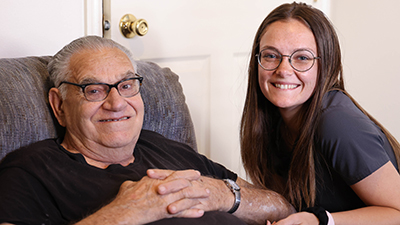
Families change too. I watch shoulders drop in the lobby when the guilt eases. Conflicts over simple jobs recede because those jobs no longer belong to the relationship. You return to being a child or spouse more than a drill sergeant. If you find yourself anticipating checking out rather of fearing the day, pay attention. That is a sign the plan fits.
When the respite stay reveals a mismatch
Sometimes respite care clarifies that a specific neighborhood is not the right fit. The most common reasons:
- Care follow-through is irregular across shifts, particularly evenings and weekends. The social environment skews too peaceful or too loud for your liked one. Communication with the family is sluggish or unclear, causing duplicated confusion. The physical design increases stress and anxiety, such as long hallways for someone with minimal endurance. Cost intensifies with add-ons that need to have been transparent, wearing down trust.
A mismatch does not condemn the model, just the fit. Request a discharge summary and bear in mind on what worked and what did not. Then go for a community that attends to the gaps rather than abandoning the idea of assisted living or memory care entirely. I have actually relocated homeowners who failed in one building and grew in another 2 miles away due to the fact that the activity design or staffing culture lined up much better with their personality.
Preparing for a brief stay that sets up long-term success
Preparation decreases bumps and amplifies insight. A little effort before admission pays dividends during the stay. Focus on three locations: info, environment, and expectations.
Start with information. Offer an extensive history that consists of more than medical diagnoses. Share what a great day looks like, what sets off aggravation, and how your loved one prefers to be dealt with. Bring medication lists with precise dosing times, the contact info for professionals, and any recent hospital discharge summaries. Ask for the community's preferred drug store to prevent delays.
Shape the environment. Familiarity alleviates stress and anxiety. Load images, a preferred blanket, a clock with great deals, and clothes labeled by day to streamline dressing. For memory care respite, choose products with clear function and low complexity. Streamline the bathroom setup. If curling irons or electric razors produce confusion, leave them home.
Set expectations. Explain to your loved one that the stay is time-limited, a possibility to build strength or to rest while family regroups. Even when memory is unreliable, tone interacts respect. Inform staff what success implies to you: fewer falls, much better appetite, a full night's sleep. Then ask for a check-in at two days, one week, and before discharge.
The move from respite to residence: how to manage the minute of choice
At the end of respite, families typically deal with an option that feels less remarkable than they feared. If staying makes sense, the logistics are straightforward: transform the respite arrangement to a residency contract, schedule a move-in date, and finalize tailored service strategies. The individual already knows the design, the personnel, and the rhythm. The apartment can be the same unit, which shortens modification time.
If you are unsure, a 2nd short stay can be useful, particularly if the very first occurred during a medically complicated period. I have seen households string 2 two-week stays around a trip and a surgical treatment, collecting sufficient experience to dedicate with confidence by the end.
When the answer is no, entrust gratitude and specifics. The insights will direct the next search. Ask the nurse to summarize what worked and what did not in writing. Keep any new routines that worked, such as a med schedule or bedtime rhythm that calmed sundowning.
The diplomatic immunity of couples and the role of respite in complex family dynamics
Couples often resist moving because separation feels unimaginable. Respite can help chart a course. One technique is a momentary stay for the partner who requires more care, coupled with everyday visits and shared meals. Another is a guest suite trial for the healthy spouse throughout the respite, testing whether they might live on-site together. Neighborhoods with both assisted living and memory care often put couples in nearby communities, coordinating meals and time together with staff help. The plan is not ideal, but it preserves collaboration within proper care boundaries.
Family characteristics complicate whatever. Brother or sisters disagree. Adult kids have a hard time to move from "helping out" to "altering course." A short-term stay makes the conversation less theoretical and more observable. Instead of arguing about what might take place, you can discuss what did take place over fourteen days and whether it felt sustainable.
Staff training and culture: the unglamorous predictor
Brochures discuss facilities. Results hinge on personnel training and culture. Inquire about onboarding for brand-new aides, ongoing dementia education, and how the group debriefs after an event like a fall. Watch handoffs between shifts. In strong neighborhoods, info streams efficiently, the state of mind is purposeful without rush, and leaders understand residents by name and story. Throughout respite, you will see whether call lights get answered within a reasonable time throughout the board, not simply when managers are present.
Turnover is real in senior living. Do not expect zero. Instead, look for a pattern of retention among core staff and evidence that brand-new employee are supported. A community that invests in mentorship programs and recognizes aides publicly tends to deliver more consistent care. During respite, the proof is easy: your loved one's days feel predictable and respectful, no matter who is on duty.
Risk, autonomy, and the art of negotiated safety
Assisted living and memory care both operate at the crossway of autonomy and security. Respite care lets households see how a neighborhood practices negotiated threat. Will they let Dad keep shaving with a security razor under guidance, or do they insist on electrical just? Can Mom bring her lap dog if she reliably handles feeding and walks, with backup in the care plan? The responses specify everyday life.
When policies are rigid without factor, citizens feel managed rather than supported. When rules flex attentively, locals remain themselves. The best neighborhoods discuss their reasoning, document contracts, and review them as conditions alter. Throughout respite, ask to be part of those conversations. You will find out quickly whether the group treats your loved one as an individual initially and a liability second.
What success looks like months later
I keep mental snapshots of locals 6 months after respite turned into residency. The former engineer who now "consults" on jigsaw puzzles each afternoon. The retired instructor who runs a poetry circle for 6 next-door neighbors, 2 of whom had not check out aloud in years. The caretaker spouse who comes for breakfast at 8, leaves for tai chi at 10, and returns for a long walk at 2, resting without guilt at night.
Success is not the lack of decline. Aging continues. Success looks like fewer crises, steadier regimens, less seclusion, and a family that can be family again. It sounds like laughter over coffee rather than apologies throughout baths. It reads in the chart as stable weight, less UTIs, and one hospitalization in a year rather of four.
A sensible course forward
Respite care is not a trick to make people accept assisted living. It is a test drive, truthful and helpful. Succeeded, it honors autonomy, surface areas what matters, and lowers the temperature level on hard options. If you consider a brief stay, be clear on goals, pack pieces of home, and see the little things that expose culture. If the fit is right, transforming to long-term residence will feel like naming what is already real: your loved one has actually found convenience in a place created for their requirements, and you have discovered the best sort of help.
For families browsing memory care, the same logic applies with included attention to environment and personnel ability. For those balancing expenses and benefits, judge by outcomes you can see, not simply line products on a declaration. And for caretakers who feel torn, allow yourself the relief that respite can bring. Rest is not a high-end. It is a tool that keeps love durable.
Assisted living and memory care become part of the very same landscape. Respite care is the bridge in between the map and the roadway. When you walk it, you know where to turn.
BeeHive Homes of St George Snow Canyon provides assisted living care
BeeHive Homes of St George Snow Canyon provides memory care services
BeeHive Homes of St George Snow Canyon provides respite care services
BeeHive Homes of St George Snow Canyon offers 24-hour support from professional caregivers
BeeHive Homes of St George Snow Canyon offers private bedrooms with private bathrooms
BeeHive Homes of St George Snow Canyon provides medication monitoring and documentation
BeeHive Homes of St George Snow Canyon serves dietitian-approved meals
BeeHive Homes of St George Snow Canyon provides housekeeping services
BeeHive Homes of St George Snow Canyon provides laundry services
BeeHive Homes of St George Snow Canyon offers community dining and social engagement activities
BeeHive Homes of St George Snow Canyon features life enrichment activities
BeeHive Homes of St George Snow Canyon supports personal care assistance during meals and daily routines
BeeHive Homes of St George Snow Canyon promotes frequent physical and mental exercise opportunities
BeeHive Homes of St George Snow Canyon provides a home-like residential enviroMOent
BeeHive Homes of St George Snow Canyon creates customized care plans as residents’ needs change
BeeHive Homes of St George Snow Canyon assesses individual resident care needs
BeeHive Homes of St George Snow Canyon accepts private pay and long-term care insurance
BeeHive Homes of St George Snow Canyon assists qualified veterans with Aid and Attendance benefits
BeeHive Homes of St George Snow Canyon encourages meaningful resident-to-staff relationships
BeeHive Homes of St George Snow Canyon delivers compassionate, attentive senior care focused on dignity and comfort
BeeHive Homes of St George Snow Canyon has a phone number of (435) 525-2183
BeeHive Homes of St George Snow Canyon has an address of 1542 W 1170 N, St. George, UT 84770
BeeHive Homes of St George Snow Canyon has a website https://beehivehomes.com/locations/st-george-snow-canyon/
BeeHive Homes of St George Snow Canyon has Google Maps listing https://maps.app.goo.gl/uJrsa7GsE5G5yu3M6
BeeHive Homes of St George Snow Canyon has Facebook page https://www.facebook.com/Beehivehomessnowcanyon/
BeeHive Homes of St George Snow Canyon won Top Assisted Living Homes 2025
BeeHive Homes of St George Snow Canyon earned Best Customer Service Award 2024
BeeHive Homes of St George Snow Canyon placed 1st for Senior Living Communities 2025
People Also Ask about BeeHive Homes of St George Snow Canyon
How much does assisted living cost at BeeHive Homes of St. George, and what is included?
At BeeHive Homes of St. George – Snow Canyon, assisted living rates begin at $4,400 per month. Our Memory Care home offers shared rooms at $4,500 and private rooms at $5,000. All pricing is all-inclusive, covering home-cooked meals, snacks, utilities, DirecTV, medication management, biannual nursing assessments, and daily personal care. Families are only responsible for pharmacy bills, incontinence supplies, personal snacks or sodas, and transportation to medical appointments if needed.
Can residents stay in BeeHive Homes of St George Snow Canyon until the end of their life?
Yes. Many residents remain with us through the end of life, supported by local home health and hospice providers. While we are not a skilled nursing facility, our caregivers work closely with hospice to ensure each resident receives comfort, dignity, and compassionate care. Our goal is for residents to remain in the familiar surroundings of our Snow Canyon or Memory Care home, surrounded by staff and friends who have become family.
Does BeeHive Homes of St George Snow Canyon have a nurse on staff?
Our homes do not employ a full-time nurse on-site, but each has access to a consulting nurse who is available around the clock. Should additional medical care be needed, a physician may order home health or hospice services directly into our homes. This approach allows us to provide personalized support while ensuring residents always have access to medical expertise.
Do you accept Medicaid or state-funded programs?
Yes. BeeHive Homes of St. George participates in Utah’s New Choices Waiver Program and accepts the Aging Waiver for respite care. Both require prior authorization, and we are happy to guide families through the process.
Do we have couple’s rooms available?
Yes. Couples are welcome in our larger suites, which feature private full baths. This allows spouses to remain together while still receiving the daily support and care they need.
Where is BeeHive Homes of St George Snow Canyon located?
BeeHive Homes of St George Snow Canyon is conveniently located at 1542 W 1170 N, St. George, UT 84770. You can easily find directions on Google Maps or call at (435) 525-2183 Monday through Sunday 9:00am to 5:00pm
How can I contact BeeHive Homes of St George Snow Canyon?
You can contact BeeHive Homes of St George Snow Canyon by phone at: (435) 525-2183, visit their website at https://beehivehomes.com/locations/st-george-snow-canyon/,or connect on social media via Facebook
Conveniently located near Beehive Homes of St George Snow Canyon Megaplex Theatres at Sunset a great movie theater with full food & drink menu. Catch a movie and enjoy some great food while you wait.