Business Name: BeeHive Homes of St George Snow Canyon
Address: 1542 W 1170 N, St. George, UT 84770
Phone: (435) 525-2183
BeeHive Homes of St George Snow Canyon
Located across the street from our Memory Care home, this level one facility is licensed for 13 residents. The more active residents enjoy the fact that the home is located near one of the popular community walking trails and is just a half block from a community park. The charming and cozy decor provide a homelike environment and there is usually something good cooking in the kitchen.
1542 W 1170 N, St. George, UT 84770
Business Hours
Monday thru Saturday: 9:00am to 5:00pm
Facebook: https://www.facebook.com/Beehivehomessnowcanyon/
Family caregiving typically begins with an easy guarantee: I'll assist you stay at home. At first it's a weekly grocery run or trips to appointments. Then the weeks develop into years, the tasks multiply, and the stakes increase. Medication schedules, shower support, nighttime roaming, wound dressings, meal preparation that aligns with diabetes or cardiac arrest. Caregivers fold all of it into their lives while still working, parenting, or attempting to keep their own health in check. It's possible to do everything for a while. It's not sustainable forever.
Respite care exists to bridge that gap. Done well, it offers caretakers a genuine break and provides the person getting care not just supervision, however enrichment, safety, and continuity. The mistaken belief is that respite is a compromise, an action down in quality from what a devoted member of the family offers. In practice, the very best respite programs match or surpass home regimens, since they bring staffing, devices, and structure that are difficult to replicate at the kitchen table.
This is where assisted living neighborhoods and memory care communities have a peaceful however essential role. Short-stay programs in senior living provide the exact same care framework as long-term residents, simply on a momentary basis. That can be 3 days, two weeks, or a month, depending on need. The goal is uncomplicated: keep the caregiver whole, and keep the elder steady, engaged, and safe.
Why caretakers hesitate, and why a pause matters
Most caretakers who resist respite aren't rejecting the concept. They worry about the shift. What if Mom gets confused in a brand-new environment? Will Dad accept aid with bathing from someone brand-new? Will the personnel understand how to encourage hydration or manage a persistent injury? The guilt is real too. Lots of caregivers inform me they feel they're expected to be able to do all of it, that asking for aid is elderly care a signal they're failing.
Experience recommends the opposite. The households who make respite a routine, rather than a last option, tend to keep their loved ones in your home longer. A rested caretaker is less most likely to snap, rush, or make medication mistakes. And the individual receiving care benefits from differed social interaction, structured activities, and therapy services that don't constantly in shape nicely into a home day.
Caregivers likewise underestimate just how much their fatigue appears in health occasions. I have actually seen caregivers skip their own medical appointments, hold off dental work, and live on caffeine and crackers. The foreseeable result is a crisis, typically at night or on a weekend, when both caregiver and loved one end up in emergency rooms. A set up respite interval every 6 to 12 weeks is an easy hedge against that pattern.
What respite care looks like in practice
Respite care can be set up in the house, in adult day programs, or within assisted living and memory care neighborhoods. Each format has its strengths. Home-based respite protects surroundings and regimens. Adult day programs add socializing and structured activities throughout work hours. Brief remain in senior living offer the most detailed protection, consisting of nursing assistance, treatment services, and 24-hour oversight.
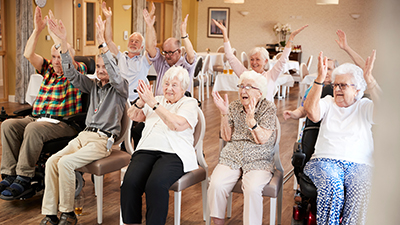
In an assisted living setting, a respite stay usually includes a provided house or suite, meals, personal care support, and access to the every day life of the neighborhood. The individual joins workout classes, art groups, music hours, and getaways, similar to any resident. For memory care respite, the environment is smaller and safe, with personnel trained to manage dementia habits, pacing, and sensory requirements. I frequently motivate households to schedule the first respite week during a time when the community calendar offers favorite activities, like live music, chair yoga, or gardening, to smooth the transition.
A detail that makes a big difference: continuity of medications and therapies. The respite group transcribes medication orders from the existing doctor, collaborates pharmacy delivery, and follows the very same dosing schedule the family has developed. If the individual is receiving physical or occupational therapy in the house, many communities can align with the therapy strategy or generate the very same treatment company. That piece reduces the risk of deconditioning during the respite period.
Quality is not a trade-off
A seasoned caregiver understands regimens matter. People with dementia often do much better when mornings follow the exact same series, meals get to predictable times, and the same two or 3 faces provide care. It's reasonable to ask whether a short-term relocate to a new place can maintain that structure. With a great handoff, it can.
The greatest respite programs start with a pre-admission interview that checks out like a household scrapbook. What helps with bathing? Which songs relax agitation throughout sunset hours? How does the person like their tea? Do they prefer long sleeves to cover thin skin? What's their typical blood glucose variety after breakfast? This depth of information indicates personnel do not walk in cold on the first day. They greet the person by name, know their spouse's label, and provide scones if that's their 3 p.m. routine. Those little touches keep the nerve system from surging, specifically in memory care.
Quality also appears in ratios and training. In assisted living, staff are trained for transfers, incontinence care, medication administration, and fall avoidance. In memory care, staff complete additional modules on redirection, validation strategies, and how to hint without infantilizing. The individual gets professional assistance around the clock, which is not always possible at home.
Equipment matters too. Hoyer lifts, shower chairs with proper stabilization, non-slip flooring, bed alarms calibrated to avoid false positives, and circadian lighting in some memory care areas. Those functions decrease the possibility of a fall or skin tear. Households frequently tell me they feel they should select in between safety and dignity. The right devices permits both.
When respite care prevents bigger problems
A short stay can feel like a small thing. It rarely makes headings in a household's story. Yet it typically prevents the occasions that do become heading moments: the fracture that sends someone to rehab, the urinary system infection missed since nobody saw reduced fluid intake, the caregiver's back injury from an inadequately timed transfer.
There is also the more intangible benefit. People often return from respite with restored cravings, a better sleep cycle, and fresh energy for discussion. Exposure to a new workout class, a volunteer musician, or good-humored tablemates can reawaken motivation. I think of a retired shop instructor who stayed in memory care for two weeks while his child traveled for work. He rediscovered a woodworking group using soft balsa tasks with safety tools, and his daughter kept the Friday sessions after respite ended. That one shift stabilized his afternoons and minimize pacing, which reduced night agitation at home.
For caregivers, relief is quantifiable. Blood pressure down by a few points, headaches less frequent, a full night's sleep that resets their own patience. The caretaker's tone changes when they welcome their loved one. That positive feedback loop is not sentimental, it has useful results on day-to-day care.
Fitting respite into the bigger care plan
Families frequently ask when to begin. The best time is before you feel at the edge. The second-best time is now. An easy rhythm works: select a constant interval, book a stay well beforehand, and treat it like a standing appointment. This removes the friction of decision-making each time and lets the individual ended up being familiar with the same environment.
In senior living, much shorter preliminary stays can work well. Three to 5 days offers a test run with low disruption. If sleep or wandering is an issue, choose periods that cover weekends, when staffing in other settings can be leaner. Gradually, many families choose 7 to 2 week every few months. People with rapidly altering needs may take advantage of much shorter, more regular stays to recalibrate care strategies and prevent caretaker overload.
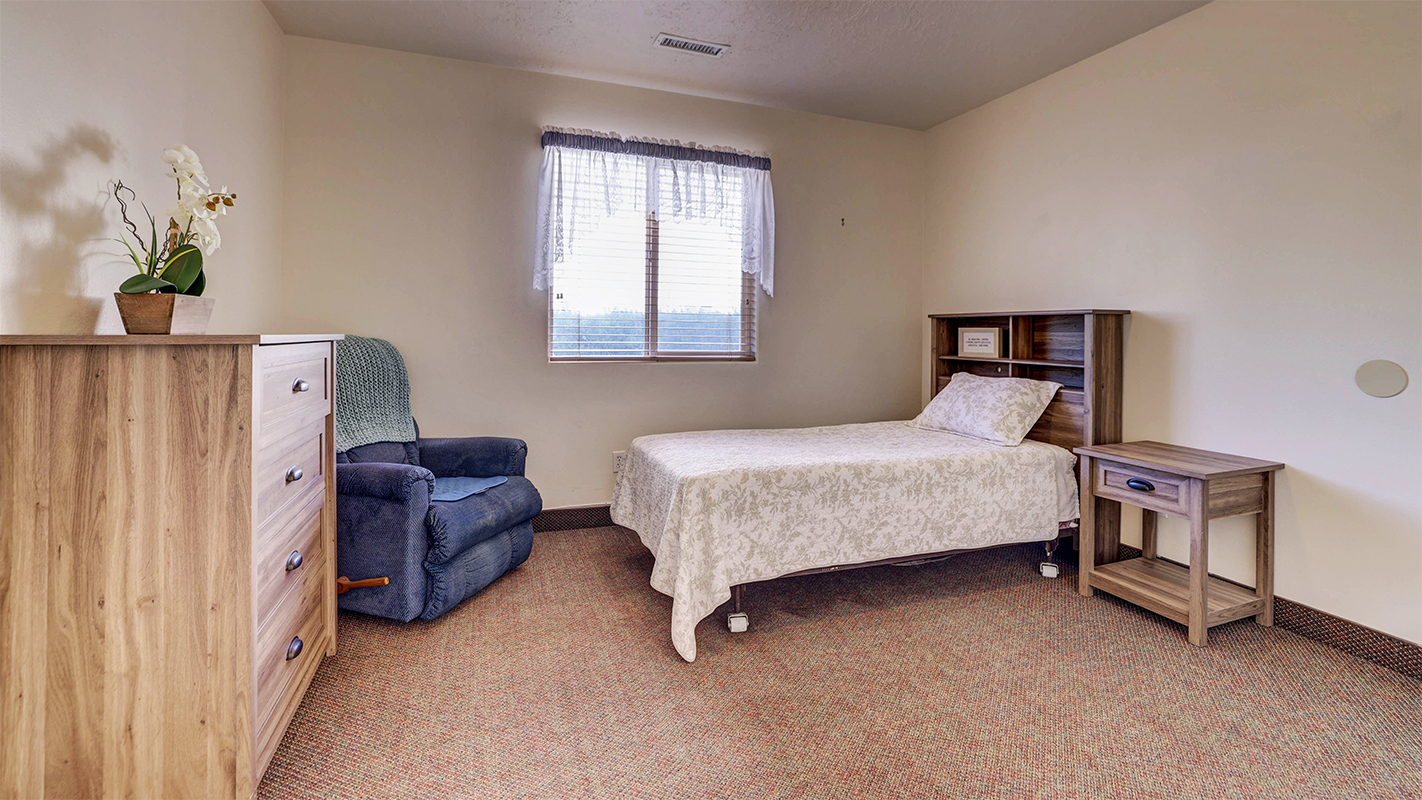

The handoff procedure should have care. Bring enough of the home regimen to reduce friction, however not a lot luggage that the individual feels rooted out. Favorite cardigan, framed photo from a pleased year instead of a complicated current event, familiar toiletries, and a lap blanket with a known texture. Avoid mess that makes complex transfers or trips personnel. Supply a medication list with dosing times in plain language and include non-prescription items like fiber gummies or melatonin, due to the fact that those information end up being tripwires if missed.
Assisted living versus memory care for respite
Choosing in between assisted living and memory care for respite depends on the individual's cognitive profile, security awareness, and habits patterns. If the individual is oriented, can follow hints, and primarily needs help with physical tasks, assisted living is normally proper. They'll take advantage of a larger community, broader activity mix, and houses that enable more independence.
Memory care is the best fit if wandering, exit-seeking, sundowning, or regular redirection belongs to every day life. A safe environment prevents elopement without producing a prison-like feel. Programming is designed in shorter blocks, with sensory breaks and quieter areas. Staff are trained to check out the moments behind habits. For instance, recurring questions might show pain, cravings, or a need to toilet, not simply stress and anxiety. Memory care units frequently utilize purposeful tasks, like sorting or basic assembly activities, to funnel energy into success.
In both settings, the focus throughout respite need to be on consistency. If the person uses a specific cueing technique for dressing, ask staff to mirror it. If they do much better with a late-morning shower, adhere to that window. The right fit appears within a day or two. If you see the person unwinded, consuming well, and getting involved, that's an indication the environment matches their existing needs.
Cost, protection, and what to ask before booking
Respite care is usually private pay, however there are exceptions. Veterans may qualify for respite through VA advantages, in some cases approximately 30 days annually, and some state Medicaid waivers cover short-term stays in authorized settings. Long-term care insurance plan typically compensate respite comparable to home care or assisted living, as long as benefit triggers are fulfilled. Adult day programs are usually the most cost-effective alternative, billed each day or half-day. Assisted living and memory care respite is more costly, normally priced daily, and consists of space, meals, and care.
Regardless of format, clarity beats assumption. The most beneficial pre-admission conversations cover care scope, staffing, and interaction practices. Before finalizing, get clear responses to a couple of fundamentals:
- What specific care tasks are consisted of in the daily rate, and what sustains add-on fees? How are medication mistakes prevented and reported, and who collaborates with the pharmacist? What is the overnight staffing pattern, including nurse accessibility and action times? How will the group upgrade the household throughout the stay, and who is the single point of contact? What takes place if the individual's condition modifications during respite, consisting of hospitalization logistics?
That quick list can avoid most misunderstandings. It likewise signifies to the neighborhood that the household is engaged and expects expert interaction, which normally enhances everybody's performance.
Safety, self-respect, and the art of redirection
Dementia changes how people translate the world, not their requirement for respect. Personnel who excel in memory care respite do not argue with deceptions or fix every misstatement. They confirm sensations, provide alternatives, and reroute with purpose. A guy searching for his cars and truck secrets at 8 p.m. might accept aid "examining the parking lot in the morning," followed by a relaxing tea and a familiar song. A woman calling a deceased sister may settle if personnel acknowledge the bond and welcome her to write a note. The objective is not to win an argument. It is to keep the person comfy and safe while maintaining dignity.
These methods operate at home too. Respite personnel can model them, providing households fresh techniques for tough hours. I have seen a caregiver embrace a simple sequence for sundowning: dim lights, peaceful music, a warm washcloth for face and hands, then a slow walk. She discovered it by observing memory care personnel, then brought the routine home and halved her night meltdowns.
When respite reveals a need to recalibrate
Sometimes respite functions like a mirror. The person settles right away, eats better, or strolls more with consistent cueing. That can be motivating and tough at the exact same time, because it recommends the home routine is extended thin. Other times, the stay surfaces brand-new problems: a swallow change, a surprise skin breakdown, or a medication side effect masked by daytime interruptions. In both cases, details is a gift. Households can return home with a refined plan, adjusted medications, or new equipment that prevents a small issue from becoming urgent.
There is likewise the longer arc. A family that utilizes respite occasionally can determine alter more accurately. If transfers require two individuals now, if roaming risk has increased, or if nighttime wakefulness does not react to regular, those patterns inform future choices. Moving from home to full-time assisted living or memory care is not failure. It is the truth of a condition progressing. Routine respite helps households make that choice based on observation rather than crisis.
How to prepare the individual for a short stay
Change lands better with context. A straight announcement frequently raises defenses, while a framed function minimizes resistance. "You're going to a hotel" seldom deals with grownups who lived full lives. A basic, truthful story is much better: "The neighborhood has an excellent art program this week, and I'm catching up on some appointments. I'll be there for dinner on Wednesday." For people with amnesia, keep descriptions brief and encouraging, repeat as required, and lean on visual hints such as a printed calendar with visit times.
Packing works best when essentials show individuality. Clothing that fit and feel familiar. Appropriate shoes. Preferred sweatshirt. Glasses and listening devices with labeled cases. A pocket calendar or notebook if they've utilized one for many years. Lots of incontinence supplies if appropriate, even if the neighborhood stocks their own. If the person uses adaptive utensils or a weighted mug, send out those along. Label products quietly to prevent mix-ups.
Share a one-page profile with staff. Include the individual's preferred name, previous occupation, pastimes, common wake and sleep times, essential medical conditions, allergies, and two or three soothing techniques that typically help. Add a small photo from a time when they felt most themselves, which offers personnel a method to connect beyond the present illness.
The function of adult day services in the respite mix
Not every break requires an over night stay. Adult day programs are underused and typically ideal for households balancing work schedules or choosing to keep nights in your home. The best programs integrate social time, meals tailored to dietary requirements, health monitoring, and transportation. For people with early to middle-stage dementia, specialized day programs provide cognitive stimulation without overstimulation. I've seen participants keep language skills and gait stability longer with routine presence since movement, hydration, and social triggers occur in a predictable rhythm.
Day services likewise serve as a stepping stone. They familiarize the person with being supported by others and with leaving home routinely. If a future overnight respite ends up being required, the environment feels less foreign. And for caretakers who are reluctant to commit to a week away, one or two days each week of day services can extend their endurance indefinitely.
What great respite seems like to the individual receiving care
Ask somebody after an effective stay and the responses differ. Some mention the food or a team member with a flair for jokes. Others discuss music, a puzzle table by the window, or a warm courtyard with herbs they can rub between their fingers. In memory care, the validation typically comes nonverbally. An individual who gets in agitated and leaves calmer. Less refusals at bath time. Meals finished without prompting.
Good respite feels like being anticipated, not parked. Personnel greet the person in the early morning and say goodnight, not simply clock in and out around them. There's attention to small victories, like meaningful sentences strung together during a discussion group or an effective transfer made with less fear. The day has a spine: meals at constant times, body in movement several times, rest offered before agitation spikes.
What excellent respite feels like to the caregiver
Relief, but likewise trust. The first day is typically rough, with doubts and anxious monitoring of the phone. Then the texts or calls get here: "He signed up with music hour and tapped along." Or the image of a lunch plate cleaned up without coaxing. The caretaker goes to an oral appointment they have actually held off twice, gets home, and naps in a quiet home without one ear open for a call from the bathroom.
When pickup day comes, they're ready to reconnect. The reunion is much easier when the caretaker isn't working on fumes. They can hear the neighborhood's observations with interest rather than defensiveness. They might bring home a brand-new transfer method or a better way to structure afternoons. They prepare the next break before they forget how much this helped.
Building a sustainable rhythm
Caregiving is not a sprint, and it is not exactly a marathon either. It is a series of periods, long and short, interspersed with take care of the caregiver. Respite care inserts breathable space into that pattern. It works finest when it's regular, not rescue; when it honors the loved one's identity; and when it leverages the strengths of assisted living, memory care, and adult day services without surrendering the heart of home.
Families do not need to select between devotion and support. The right short stay offers both. The caregiver returns steadier. The person returns promoted and seen. And the next week in your home is most likely to be safe, client, and kind, which is what everybody wished for when that first guarantee was made.
BeeHive Homes of St George Snow Canyon provides assisted living care
BeeHive Homes of St George Snow Canyon provides memory care services
BeeHive Homes of St George Snow Canyon provides respite care services
BeeHive Homes of St George Snow Canyon offers 24-hour support from professional caregivers
BeeHive Homes of St George Snow Canyon offers private bedrooms with private bathrooms
BeeHive Homes of St George Snow Canyon provides medication monitoring and documentation
BeeHive Homes of St George Snow Canyon serves dietitian-approved meals
BeeHive Homes of St George Snow Canyon provides housekeeping services
BeeHive Homes of St George Snow Canyon provides laundry services
BeeHive Homes of St George Snow Canyon offers community dining and social engagement activities
BeeHive Homes of St George Snow Canyon features life enrichment activities
BeeHive Homes of St George Snow Canyon supports personal care assistance during meals and daily routines
BeeHive Homes of St George Snow Canyon promotes frequent physical and mental exercise opportunities
BeeHive Homes of St George Snow Canyon provides a home-like residential enviroMOent
BeeHive Homes of St George Snow Canyon creates customized care plans as residents’ needs change
BeeHive Homes of St George Snow Canyon assesses individual resident care needs
BeeHive Homes of St George Snow Canyon accepts private pay and long-term care insurance
BeeHive Homes of St George Snow Canyon assists qualified veterans with Aid and Attendance benefits
BeeHive Homes of St George Snow Canyon encourages meaningful resident-to-staff relationships
BeeHive Homes of St George Snow Canyon delivers compassionate, attentive senior care focused on dignity and comfort
BeeHive Homes of St George Snow Canyon has a phone number of (435) 525-2183
BeeHive Homes of St George Snow Canyon has an address of 1542 W 1170 N, St. George, UT 84770
BeeHive Homes of St George Snow Canyon has a website https://beehivehomes.com/locations/st-george-snow-canyon/
BeeHive Homes of St George Snow Canyon has Google Maps listing https://maps.app.goo.gl/uJrsa7GsE5G5yu3M6
BeeHive Homes of St George Snow Canyon has Facebook page https://www.facebook.com/Beehivehomessnowcanyon/
BeeHive Homes of St George Snow Canyon won Top Assisted Living Homes 2025
BeeHive Homes of St George Snow Canyon earned Best Customer Service Award 2024
BeeHive Homes of St George Snow Canyon placed 1st for Senior Living Communities 2025
People Also Ask about BeeHive Homes of St George Snow Canyon
How much does assisted living cost at BeeHive Homes of St. George, and what is included?
At BeeHive Homes of St. George – Snow Canyon, assisted living rates begin at $4,400 per month. Our Memory Care home offers shared rooms at $4,500 and private rooms at $5,000. All pricing is all-inclusive, covering home-cooked meals, snacks, utilities, DirecTV, medication management, biannual nursing assessments, and daily personal care. Families are only responsible for pharmacy bills, incontinence supplies, personal snacks or sodas, and transportation to medical appointments if needed.
Can residents stay in BeeHive Homes of St George Snow Canyon until the end of their life?
Yes. Many residents remain with us through the end of life, supported by local home health and hospice providers. While we are not a skilled nursing facility, our caregivers work closely with hospice to ensure each resident receives comfort, dignity, and compassionate care. Our goal is for residents to remain in the familiar surroundings of our Snow Canyon or Memory Care home, surrounded by staff and friends who have become family.
Does BeeHive Homes of St George Snow Canyon have a nurse on staff?
Our homes do not employ a full-time nurse on-site, but each has access to a consulting nurse who is available around the clock. Should additional medical care be needed, a physician may order home health or hospice services directly into our homes. This approach allows us to provide personalized support while ensuring residents always have access to medical expertise.
Do you accept Medicaid or state-funded programs?
Yes. BeeHive Homes of St. George participates in Utah’s New Choices Waiver Program and accepts the Aging Waiver for respite care. Both require prior authorization, and we are happy to guide families through the process.
Do we have couple’s rooms available?
Yes. Couples are welcome in our larger suites, which feature private full baths. This allows spouses to remain together while still receiving the daily support and care they need.
Where is BeeHive Homes of St George Snow Canyon located?
BeeHive Homes of St George Snow Canyon is conveniently located at 1542 W 1170 N, St. George, UT 84770. You can easily find directions on Google Maps or call at (435) 525-2183 Monday through Sunday 9:00am to 5:00pm
How can I contact BeeHive Homes of St George Snow Canyon?
You can contact BeeHive Homes of St George Snow Canyon by phone at: (435) 525-2183, visit their website at https://beehivehomes.com/locations/st-george-snow-canyon, or connect on social media via Facebook
Take a short drive to the Red Cliffs Mall . Red Cliffs Mall offers a climate-controlled environment that makes shopping comfortable for residents in assisted living or memory care during respite care visits.